
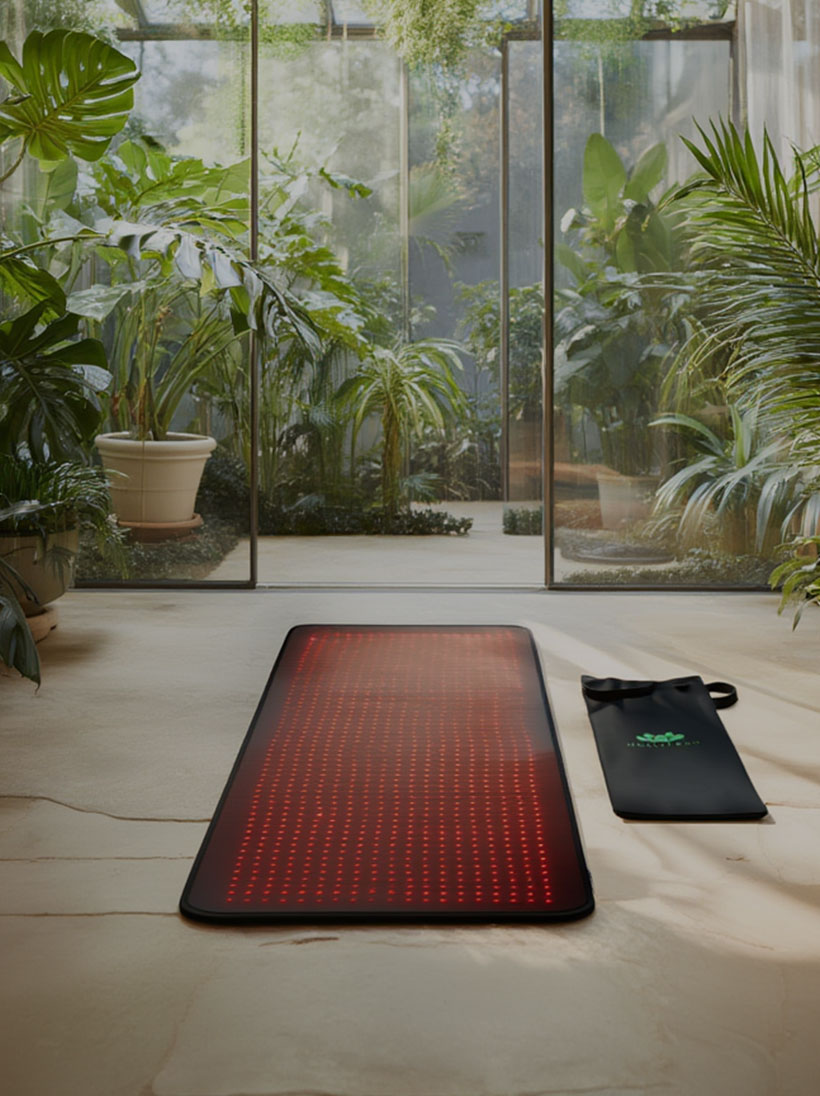

Red light therapy has become an increasingly popular option for people interested in skin health, recovery and general wellbeing. However, before booking a treatment or trying a device at home, it is sensible to understand how it works, what the potential risks are and what precautions you should take.
The question “is red light therapy safe” does not have a simple yes-or-no answer for everyone. Safety depends on the device, its light intensity, the treatment protocol and your individual circumstances.
For most healthy adults, appropriately administered red light therapy appears to have a favourable short-term safety profile. However, it is not risk-free, and research into some applications and the long-term effects of repeated use remains ongoing.
In this guide, we explain the potential side effects, important precautions and what to consider before your first session.
What Is Red Light Therapy?
Red light therapy uses specific wavelengths of red light, sometimes combined with near-infrared light, to interact with tissues in the body. It is also known as photobiomodulation when used in the context of therapeutic light treatment.
Unlike ultraviolet (UV) radiation from sunlight or sunbeds, red light therapy does not rely on UV exposure. Different devices use different wavelengths, intensities and treatment durations, so their effects should not be assumed to be identical.
Research has investigated red light therapy for several applications, including certain skin concerns, hair loss, wound healing and pain-related conditions. However, the strength of the evidence varies considerably depending on the condition being treated and the protocol used.
This distinction matters because a treatment showing benefits for one specific condition does not automatically mean it will be effective for every wellness goal.
Is Red Light Therapy Safe for Most Adults?
For many healthy adults, red light therapy appears to be well tolerated when an appropriate device is used according to its instructions.
An international multidisciplinary consensus published in the Journal of the American Academy of Dermatology in 2025 reviewed research on photobiomodulation and concluded that it can be used safely for appropriate adult applications. However, this does not mean that every device, treatment setting or intended use has the same evidence behind it.
You can read the 2025 evidence-based consensus on the clinical application of photobiomodulation for further information.
When considering whether red light therapy is appropriate for you, remember that safety and effectiveness are separate questions. A treatment may have a relatively low risk of side effects without necessarily providing the results you expect.
It is also important to distinguish between professional treatment systems and home-use products. Their specifications, intended uses and recommended protocols may differ.
What Are the Possible Red Light Therapy Side Effects?
Red light therapy is generally associated with relatively few side effects when used appropriately, but some people may experience temporary reactions.
Possible effects include:
- Skin redness or irritation: The treated area may become temporarily red or uncomfortable.
- Warmth or discomfort: Some devices can produce heat, particularly when used for longer than recommended.
- Temporary sensitivity: People with sensitive skin or certain skin conditions may find the light uncomfortable.
- Eye discomfort: Bright light can cause discomfort if suitable precautions are not followed.
The likelihood of experiencing these effects depends on the equipment, treatment settings and individual sensitivity.
The American Academy of Dermatology notes that reported short-term side effects of red light therapy are generally mild, although the long-term effects on skin and hair are not yet fully understood. Its guidance is available in Is red light therapy right for your skin?.
Stop the session if you experience burning, significant discomfort, unusual skin changes or visual symptoms. Seek appropriate medical advice if symptoms persist or concern you.
Who Should Take Extra Precautions?
Red light therapy may not be suitable for everyone in every circumstance. Before starting treatment, consider the following situations.
People taking photosensitising medication
Some medicines and topical products can make the skin or eyes more sensitive to light. Depending on the substance and the device, this could increase the risk of an unwanted reaction.
If you take prescribed medication or use a treatment that may cause photosensitivity, speak to your doctor or pharmacist before starting red light therapy. Do not stop prescribed medication without medical advice.
People with existing eye conditions
Although red light therapy does not use UV light, certain light sources can still present an eye hazard. Risk depends on factors such as wavelength, intensity, distance and exposure duration.
Follow the manufacturer’s instructions about eye protection. Do not look directly into a powerful light source, and use the specified protective eyewear where required.
Anyone with an existing eye condition or concerns about their vision should seek advice from an appropriate healthcare professional before treatment.
People with light-sensitive skin conditions
Some skin conditions can make people more sensitive to particular wavelengths of light. If you have a diagnosed photosensitivity disorder, recurring skin reactions or a condition that worsens with light exposure, seek medical advice before proceeding.
People with darker skin tones considering red light therapy for cosmetic skin concerns may also wish to consult a dermatologist. The American Academy of Dermatology highlights the possibility of unwanted pigmentation changes in some circumstances.
People who are pregnant or receiving cancer treatment
Safety information may be limited for certain groups and applications. If you are pregnant, receiving cancer treatment, have a history of cancer or have another significant medical condition, discuss your circumstances with your healthcare team before beginning treatment.
This does not mean red light therapy is automatically unsuitable for everyone in these groups. The important consideration is whether the proposed treatment is appropriate for your individual situation.
How to Use Red Light Therapy More Safely
If you are asking whether red light therapy is safe for your circumstances, following a few practical precautions can help you make a more informed decision.
1. Choose an appropriate device
Use equipment designed for its intended purpose. Check the manufacturer’s information, operating instructions and any relevant safety documentation. Avoid relying on marketing claims alone when assessing a product.
2. Follow the recommended treatment time
Do not assume that longer exposure produces better results. Treatment duration and frequency should follow the guidance for the particular device or professional service.
3. Use eye protection where instructed
Different devices have different requirements. Follow the specified precautions and never look directly into a high-intensity light source.
4. Tell your treatment provider about relevant health concerns
Before your first appointment, mention any medication that may cause photosensitivity, relevant skin or eye conditions, pregnancy or other medical concerns. This gives the provider an opportunity to advise whether treatment is appropriate or whether further guidance is needed.
5. Pay attention to your response
Notice how your skin feels during and after treatment. Stop if you experience unexpected pain, burning, persistent irritation or visual changes, and seek medical advice when appropriate.
If you are unsure about any safety instruction, ask the provider or manufacturer rather than adjusting the treatment settings yourself.
Is Red Light Therapy Safe to Use at Home?
Home-use red light therapy devices can be convenient, but convenience should not replace careful use.
Products vary in their design, light output, intended treatment area and instructions. A protocol designed for one device should not automatically be copied for another.
Before purchasing or using a product, check:
- Whether the device is intended for your particular purpose.
- The recommended treatment duration and frequency.
- Whether protective eyewear is required.
- The manufacturer’s safety instructions and relevant product documentation.
- Whether your health circumstances warrant advice from a healthcare professional.
Be cautious of products promising guaranteed results or claiming to treat a wide range of medical conditions without reliable supporting evidence.
For more information about the safe use of light-based equipment in medical and aesthetic settings, consult the UK Medicines and Healthcare products Regulatory Agency’s guidance on lasers, intense light source systems and LEDs.
What Should You Expect at Your First Red Light Therapy Session?
Before booking, find out which treatment system is used, how the session is carried out and what preparation is required.
A responsible provider should be able to explain the treatment process, the recommended protocol and the relevant safety precautions. You should also feel comfortable discussing health concerns before the session begins.
At HealthPod, you can explore the available red light therapy service and review the treatment information before deciding whether to book.
If you have a medical condition, take medication that may cause photosensitivity or are unsure whether treatment is suitable for you, seek appropriate professional advice first.
Red light therapy should be considered as one possible part of a wider approach to wellbeing, not as a replacement for medical care or advice.
Frequently Asked Questions
No treatment is suitable for everyone in every circumstance. Although red light therapy appears to be well tolerated by many healthy adults when used appropriately, individual health conditions, medication and device specifications can affect its suitability.
Skin irritation, redness and discomfort can occur. The risk depends on the device and how it is used. Follow the recommended protocol and stop treatment if you experience an unexpected reaction.
Eye protection requirements depend on the equipment and treatment method. Follow the manufacturer’s or treatment provider’s instructions, and never look directly into a high-intensity light source.
There is no single frequency suitable for every device or person. Follow the recommended schedule for the particular system rather than assuming daily use is appropriate.
Seek advice if you have a light-sensitive condition, an eye condition, take potentially photosensitising medication, are pregnant or are receiving treatment for a significant medical condition. A healthcare professional can help you assess your individual circumstances.
Final Thoughts
So, is red light therapy safe? For many healthy adults, appropriately administered treatment appears to have a favourable short-term safety profile, but individual circumstances and device specifications matter.
Understanding the potential side effects, following the correct instructions and discussing relevant health concerns with a qualified professional can help you make a more informed decision.
If you are considering red light therapy at HealthPod, explore the available treatment information or visit the Book a Session page to find out more before arranging your appointment.
The best approach is to make an informed choice based on realistic expectations, appropriate precautions and reliable evidence.